



The past five years have seen an explosion of African-led podcasts, and the past two years have seen that explosion mature into something with real cultural staying power. The numbers are real: African podcast listeners grew by over 60% between 2023 and 2025.
What the Numbers Actually Mean
The largest audiences are in Nigeria, South Africa, Kenya, and Ghana — but the growth is continental. The 60% figure covers a period in which smartphones became the primary computing device for the majority of Africans, and mobile data costs dropped significantly across most markets. Those infrastructure shifts enabled the audience. The content earned it.
Not Replication — Adaptation
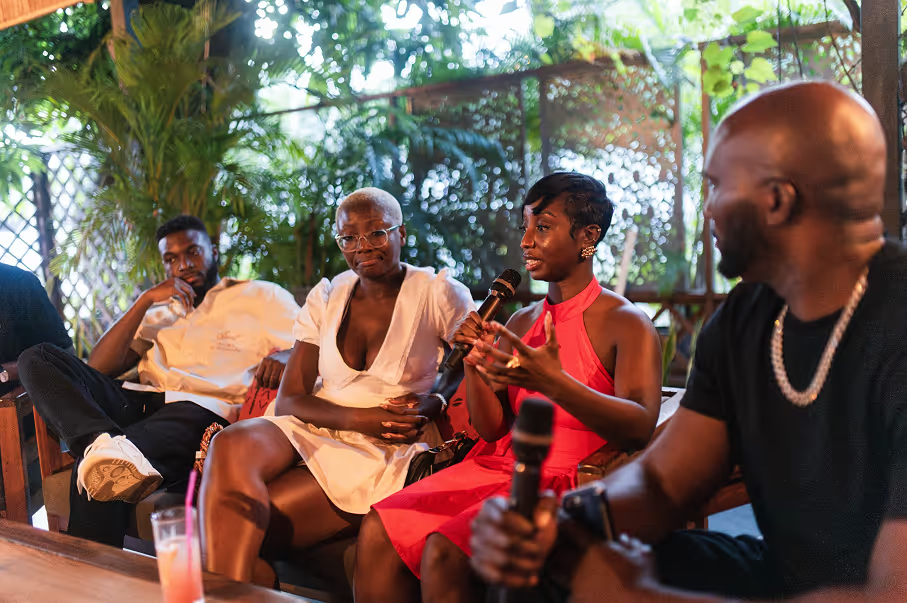
African podcasters are not simply replicating Western formats. The most successful shows have developed their own structures, their own relationships with audience, their own sense of what a podcast can be. There are political commentary shows recorded in markets. Storytelling shows built on oral tradition. Music discovery shows that function as curatorial institutions, doing work that radio once did and streaming algorithms currently do badly.
The Medium Adapted, Not Just Adopted
The medium has been adapted, not just adopted. The conversational rhythm of West African storytelling — the call-and-response structure, the extended aside, the willingness to let a topic breathe across multiple episodes — translates surprisingly well to the podcast format. Better than it translates to social video, arguably. The podcast format rewards patience and depth. African oral traditions are built on exactly those qualities.
"We didn't set out to make a podcast. We set out to have conversations we weren't having anywhere else. The format found us."
What This Sounds Like
Africa's podcast moment is here. And it sounds like itself — which is the best thing that can be said about any creative moment. The shows worth your time are not trying to be anything other than what they are. Find them. They are not hard to find if you know to look.


%201.webp)
%201.png)
