To be African is to be human, as the oldest remains of humanity are found on African soil, the first colour (yellow) was discovered in our caves and our songs of soul and sorrow began here. In a technologically driven era that insists on replacing humans and giving the purest water to mass surveillance systems called data centres, we have to fight for our right to be human. We have to fight for our rite to party!
Why rite? Is it simply wordplay, or a word serving as a portal into the origins of our art, our music and our customs, such as festivals? A rite is a ceremony or event that leads to a new phase of life, and that’s how the greatest festivals feel. Africans have always used festivals as a platform to celebrate the seasons of the earth and uplift a particular energy (such as the fertility of the people, the land and the soil), and festivals still exist today to commemorate our pre-colonial sense of expression.
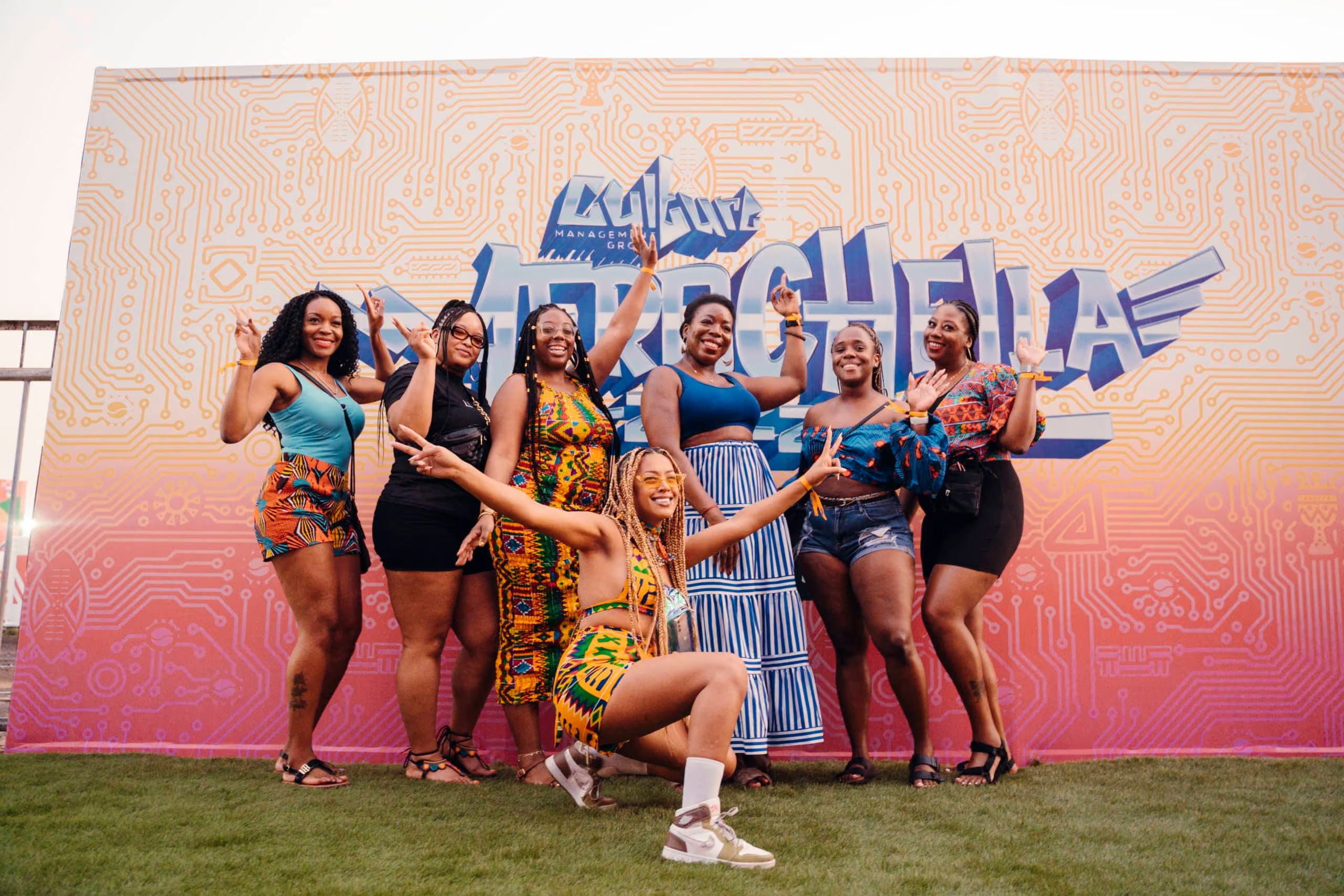
Examples of Indigenous Festivals in Africa
(As per African Exponent)
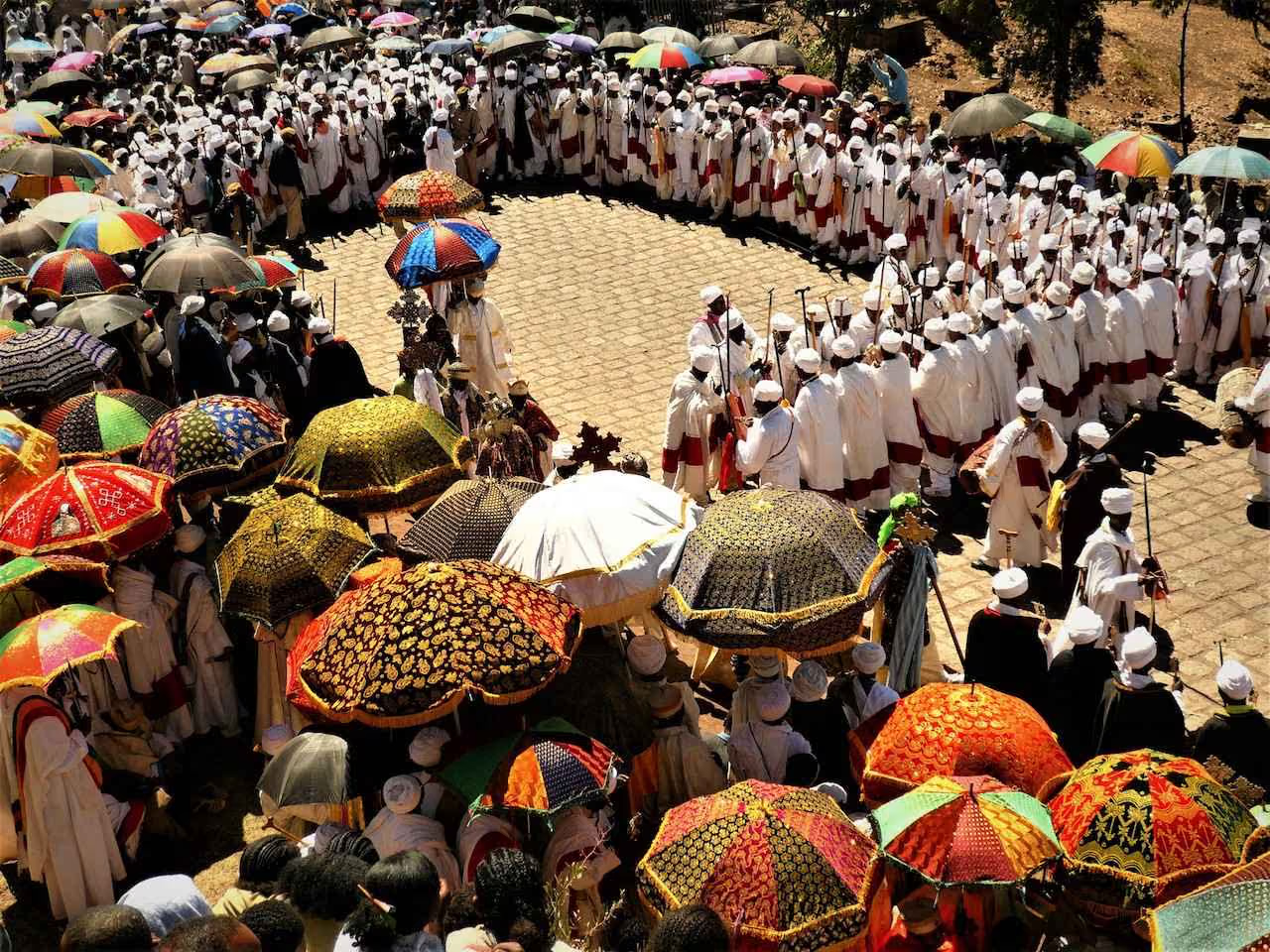
3. Timkat (Ethiopia)
Celebrating the baptism of Jesus
It symbolizes spiritual renewal. The festival is marked by chanting and drumming to ignite the spirit of devotees, who are dressed in white and gathered at bodies of water to praise in a ceremony that is the cornerstone of Ethiopian society.
2. Umhlanga Reed Dance
Serving as a moment to celebrate the divine feminine deity called Nomkhubulwane, it is equivalent to all festivals held in spring worldwide, celebrating both fertility and chastity (purity) in the feminine form. It is celebrated by the Zulu and Swati kingdoms alike and serves as an important reminder of the spiritual and political ties held to this day.
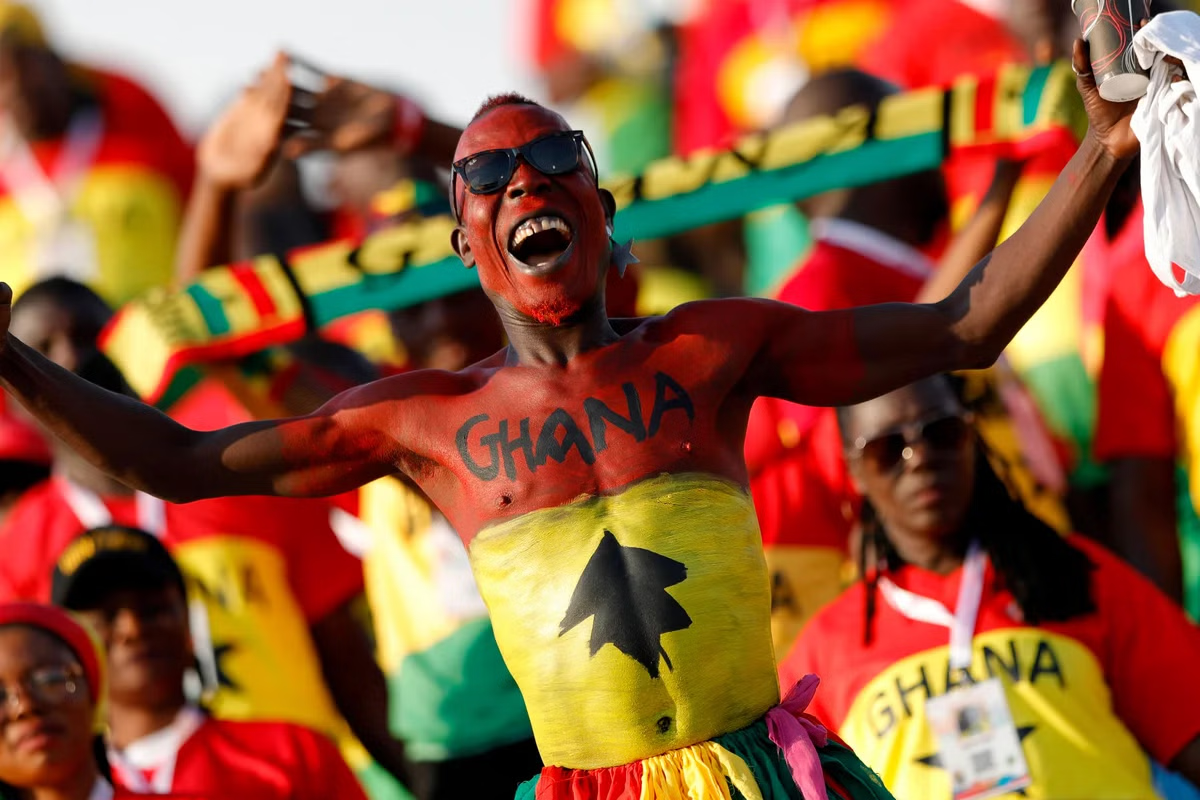
1. Akwasidae Festival (Ghana)
And of course, those who have the privilege of knowledge of self still celebrate their own kingship. Akwasidae venerates ancestors and the sacred Golden Stool, the spiritual heart of the Ashanti people. Akwasidae is a celebration of the Ashanti people’s endurance through colonial rule, with drummers, dancers and chiefs in colourful regalia paying homage to their heritage.
As we experience another wave of division and conquest, festivals will serve as the cultural anchors, societal unifiers and creative economy boosters that we all need. Our right to exist is once again being infringed upon, and the subtlest form of warfare is always psychological and economic. The thinning of society’s pockets, the increase in festival production costs (a 40% to 250% increase), soaring artist fees and climate risks are all here to declare that everything is truly political.
In societal turmoil (or global turmoil in this case), the answer is always to unite based on common values and goals, and to build localised communities that sustain each other. Community-based events that express the ethos of these local communities could provide context and content that unites the progressive diaspora. We can achieve that by focusing on the common principles behind our celebrations.
Africa is not a monolith. We are the most genetically diverse landmass on the planet, and we will have differences that make us unique and serve a different function in the ecosystem of life.
The answer is in praising our commonalities, enjoying our differences and recognising the benefits of those differences. We find it hard to unite because our eyes are fixated on the symbols we see and not the spirit we all share. The eyes cannot look down on the nose, because both are needed to experience the beauty of roses.
The client came to the project with a website that had grown organically over time. New pages were added as needs appeared, sections were duplicated inconsistently, and messaging became fragmented.
The challenge
As the website grew, maintaining consistency became increasingly challenging. Different pages followed different layout patterns, spacing varied across sections, and typography lost its hierarchy. Important messages were often repeated or buried, making it harder for visitors to quickly understand the offering.
Internally, the team struggled to update the site efficiently. Adding new pages required design decisions each time, slowing down iteration and increasing the risk of inconsistency. The existing setup no longer supported the pace or scale of the organization.
The approach
The solution began with a shift in mindset — from page-by-page design to system-first thinking. Truebase was used as the structural framework to redefine how content should be organized, presented, and scaled.
Core page types were identified first, followed by a clear hierarchy of content elements. Layouts were built using a consistent grid and spacing system, while typography was simplified into a scalable hierarchy that could accommodate varying content lengths. Every decision prioritized clarity and reuse.
The implementation
The website was rebuilt using modular sections that could be reused across multiple pages without visual drift. Each section followed predefined spacing and alignment rules, ensuring consistency regardless of where it appeared.
Content was restructured to highlight key information earlier and reduce unnecessary repetition. Dedicated layouts were introduced for case studies, metrics, and supporting content, improving readability and flow. The CMS was organized to support ongoing updates, allowing the team to manage content without breaking the underlying system.



After launch, the impact was immediately noticeable. The team was able to create and update pages faster, without needing design adjustments for each new piece of content. The website felt calmer, more predictable, and easier to navigate.
From a visitor perspective, the clearer structure reduced friction. Users could understand the offering more quickly, with less scrolling and fewer explanations required. The website began functioning as a reliable communication tool rather than a static presentation.