In 2020, a teenager in Kumasi named Yaw Tog recorded a song called Sore with a group of friends who had spent the year turning their city into a myth. They called it Kumerica. They wore bandanas and basketball jerseys, rapped in Twi, and rode drill beats that had travelled from Chicago to London before landing in the Ashanti Region. Within months Stormzy was on the remix. Nobody in a boardroom had planned any of it.
That is how African music has always moved. Quietly at first, in one neighbourhood, in one language, for one crowd. Then all at once.
The world learned this lesson twice in a decade. Afrobeats arrived and the industry called it a moment. Amapiano followed and the industry called it a trend. Both turned out to be something larger, which is a continent with fifty-four countries and a habit of inventing new rhythms faster than anyone outside can name them. The question worth asking now is the one we put to our own audience. Beyond Amapiano and Afrobeats, which sound has the next big IT factor?
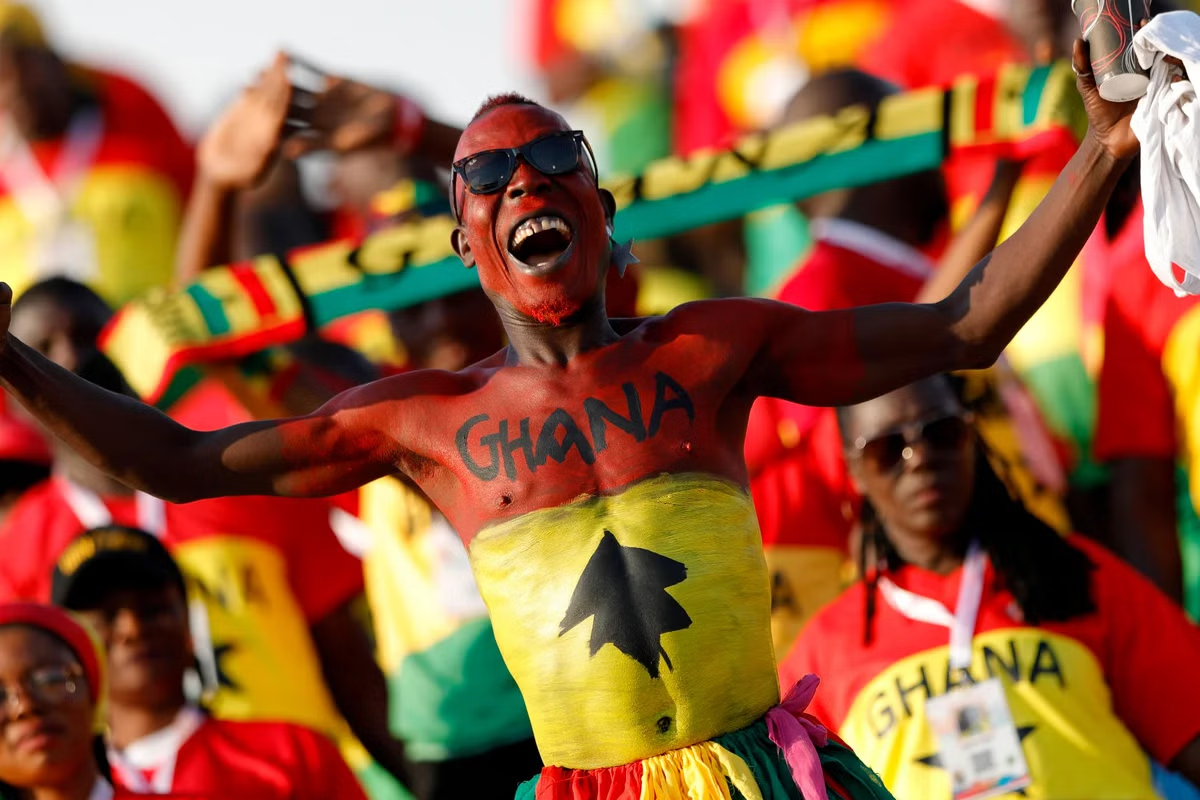
Start in Kumasi, with Asakaa. It is drill, but drill that has been taken apart and rebuilt with Ghanaian slang, Ghanaian humour and Ghanaian swagger. It has already brushed against the global stage and it still feels like a secret.
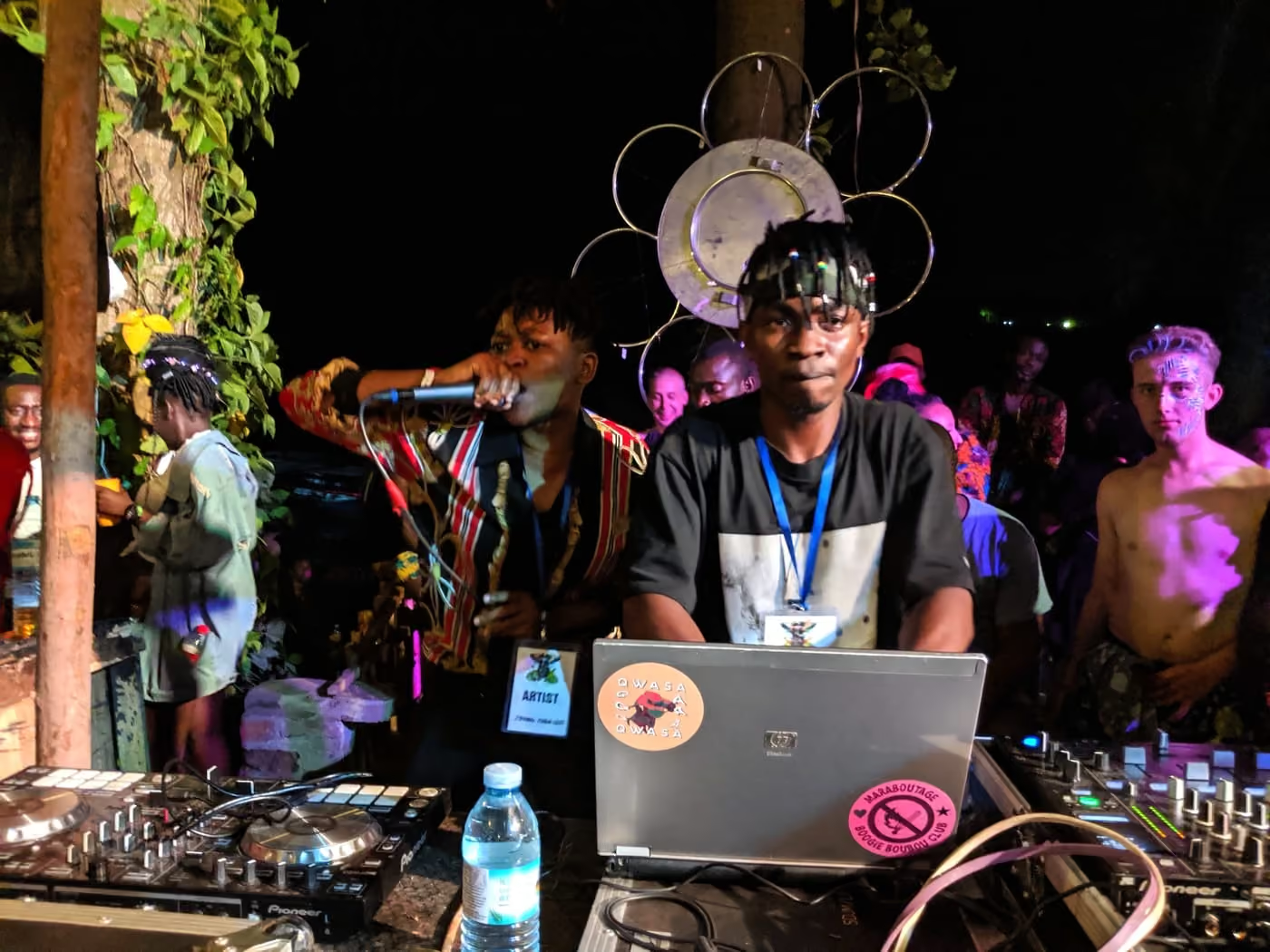
Fly east to Dar es Salaam and the tempo doubles. Singeli was born in the working-class neighbourhoods of the city, at street parties where the beat can run past two hundred beats per minute and the MC has to sprint to stay on top of it. It sounds like the future arriving early. The Nyege Nyege collective in Kampala has carried it onto festival stages far from home, and audiences who do not speak a word of Swahili lose their minds anyway.
In Freetown, a generation is folding the old Sierra Leonean styles of bubu and gumbay into rap and Afropop and calling the result Krio Fusion. In Algeria, a brash street sound called Way Way is spreading the way all great youth music spreads, from phone to phone, without permission. In Kenya, young people are returning to Mugithi, the Kikuyu guitar music their parents danced to, and finding that it belongs to them too. In Abidjan, Himra has given Francophone rap a new centre of gravity. And in Sudan, in the hardest of circumstances, rappers like Soulja keep making work that insists on being heard.
None of these scenes sound alike. That is the point. What they share is a principle, and it is the opposite of what the music business usually teaches. The conventional wisdom says that to travel, a sound must be softened. Sing in English. Smooth the edges. Add a familiar feature.
The evidence says otherwise. Amapiano did not cross the world by becoming less South African. Afrobeats did not win by sounding less like Lagos. The sounds that travel furthest are the ones that are most completely themselves. Specificity is the passport.
So the next wave will not announce itself with a press release. It will sound strange the first time you hear it. It will be in a language you may not speak, at a speed you are not used to, from a city you have never been asked to pay attention to.
Remember these names. One day soon someone will tell you about a brand new sound, and you will smile, because you heard it here first.
The client came to the project with a website that had grown organically over time. New pages were added as needs appeared, sections were duplicated inconsistently, and messaging became fragmented.
The challenge
As the website grew, maintaining consistency became increasingly challenging. Different pages followed different layout patterns, spacing varied across sections, and typography lost its hierarchy. Important messages were often repeated or buried, making it harder for visitors to quickly understand the offering.
Internally, the team struggled to update the site efficiently. Adding new pages required design decisions each time, slowing down iteration and increasing the risk of inconsistency. The existing setup no longer supported the pace or scale of the organization.
The approach
The solution began with a shift in mindset — from page-by-page design to system-first thinking. Truebase was used as the structural framework to redefine how content should be organized, presented, and scaled.
Core page types were identified first, followed by a clear hierarchy of content elements. Layouts were built using a consistent grid and spacing system, while typography was simplified into a scalable hierarchy that could accommodate varying content lengths. Every decision prioritized clarity and reuse.
The implementation
The website was rebuilt using modular sections that could be reused across multiple pages without visual drift. Each section followed predefined spacing and alignment rules, ensuring consistency regardless of where it appeared.
Content was restructured to highlight key information earlier and reduce unnecessary repetition. Dedicated layouts were introduced for case studies, metrics, and supporting content, improving readability and flow. The CMS was organized to support ongoing updates, allowing the team to manage content without breaking the underlying system.




After launch, the impact was immediately noticeable. The team was able to create and update pages faster, without needing design adjustments for each new piece of content. The website felt calmer, more predictable, and easier to navigate.
From a visitor perspective, the clearer structure reduced friction. Users could understand the offering more quickly, with less scrolling and fewer explanations required. The website began functioning as a reliable communication tool rather than a static presentation.