On a spring night in 2022, Burna Boy walked onto the stage at Madison Square Garden. No Nigerian artist had ever headlined that room before. He called the show One Night in Space. Twenty thousand people sang his songs back to him in Yoruba, in pidgin, in accents from every borough of New York. By the time the lights came up, a question that had hung over African music for years had been answered.
The question was simple. Streams are easy to dismiss. A song can go viral by accident. But can you fill the room?
A stream costs nothing. A ticket costs money, a babysitter, a train ride and a whole evening. When people buy tickets in their thousands, they are telling you something no algorithm can fake. This is why live shows have become the real scoreboard of the African music era.
The proof has piled up quickly. Wizkid put three nights at the O2 in London on sale and watched them vanish in minutes. A summer later Burna Boy headlined the London Stadium, the first African artist to top the bill at a stadium in Britain. Asake arrived at his own O2 show by helicopter, because a quiet entrance would not have matched the moment. Rema turned the same arena into theatre.
It would be a mistake to see these nights as a new invention. The African live show has deep roots. In Lagos in the nineteen seventies, Fela Kuti played at the Afrika Shrine until the sun came up. A song could run for half an hour. The band was enormous, the dancers never stopped, and between numbers Fela talked politics to a crowd that had come for exactly that. A night at the Shrine was a concert, a rally and a ceremony at once.
That inheritance is visible in every great African performer working today. The live band that stretches a three-minute single into ten. The call and response that makes the audience part of the arrangement. The sense that a show should feel like an occasion and not a playlist.
It also explains why these artists so often sound better on stage than on record. The songs were built for bodies in a room. A studio version is a photograph. The live version is the thing itself.
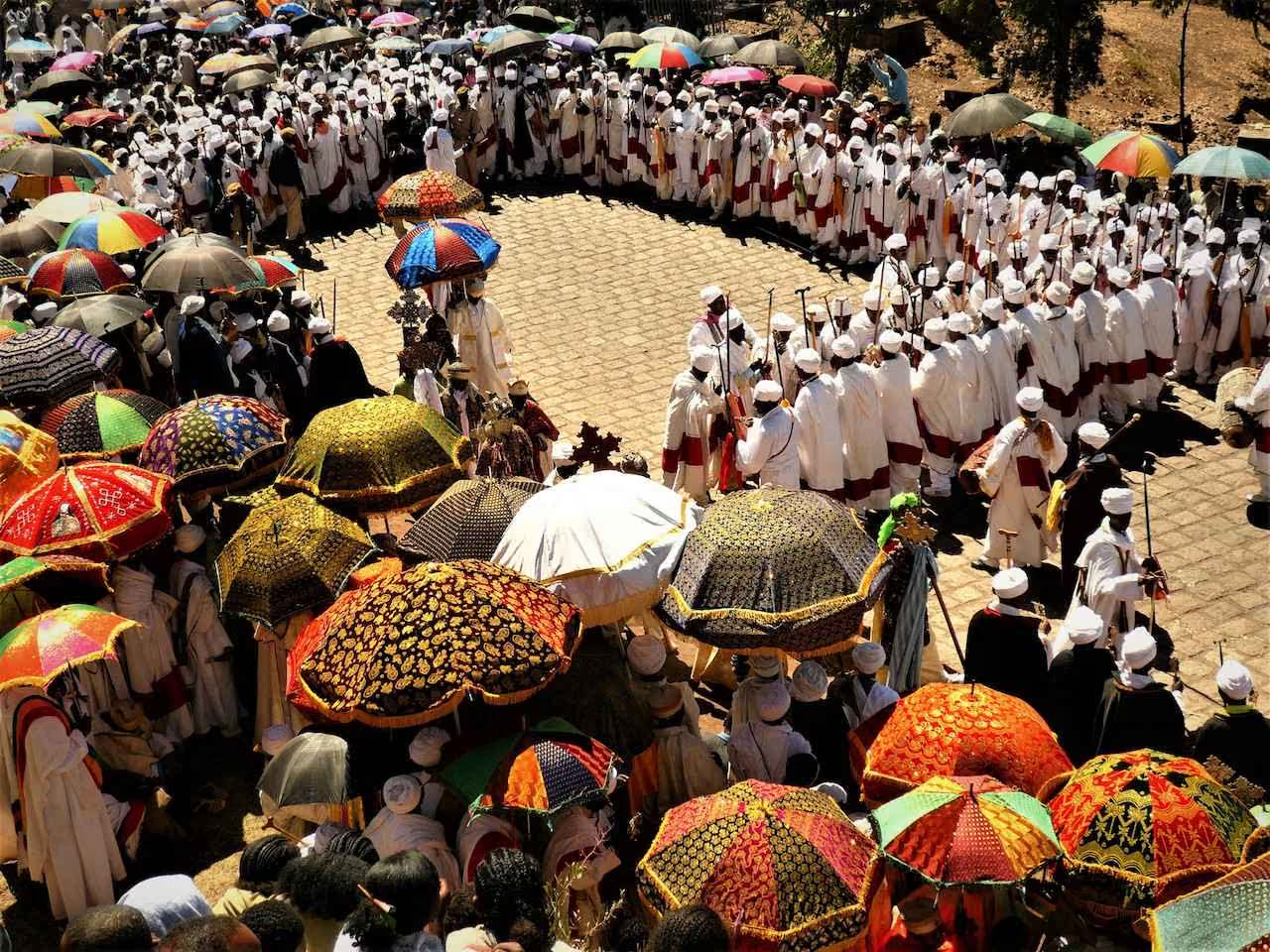
There is one more detail worth noticing. Look at who is in the crowd on these nights. Grandmothers in gele beside teenagers in football shirts. People who flew in. People who grew up a short bus ride from the arena and never expected to hear their language in it. For a diaspora audience, a sold-out arena is more than a good night out. It is a public measurement of how many of us there are.
That is what the great live moments have in common. Each one turned a private love into a visible fact. You can argue with a chart position. It is much harder to argue with a room.
The client came to the project with a website that had grown organically over time. New pages were added as needs appeared, sections were duplicated inconsistently, and messaging became fragmented.
The challenge
As the website grew, maintaining consistency became increasingly challenging. Different pages followed different layout patterns, spacing varied across sections, and typography lost its hierarchy. Important messages were often repeated or buried, making it harder for visitors to quickly understand the offering.
Internally, the team struggled to update the site efficiently. Adding new pages required design decisions each time, slowing down iteration and increasing the risk of inconsistency. The existing setup no longer supported the pace or scale of the organization.
The approach
The solution began with a shift in mindset — from page-by-page design to system-first thinking. Truebase was used as the structural framework to redefine how content should be organized, presented, and scaled.
Core page types were identified first, followed by a clear hierarchy of content elements. Layouts were built using a consistent grid and spacing system, while typography was simplified into a scalable hierarchy that could accommodate varying content lengths. Every decision prioritized clarity and reuse.
The implementation
The website was rebuilt using modular sections that could be reused across multiple pages without visual drift. Each section followed predefined spacing and alignment rules, ensuring consistency regardless of where it appeared.
Content was restructured to highlight key information earlier and reduce unnecessary repetition. Dedicated layouts were introduced for case studies, metrics, and supporting content, improving readability and flow. The CMS was organized to support ongoing updates, allowing the team to manage content without breaking the underlying system.




After launch, the impact was immediately noticeable. The team was able to create and update pages faster, without needing design adjustments for each new piece of content. The website felt calmer, more predictable, and easier to navigate.
From a visitor perspective, the clearer structure reduced friction. Users could understand the offering more quickly, with less scrolling and fewer explanations required. The website began functioning as a reliable communication tool rather than a static presentation.