
Anyone who has been to both will tell you the same thing. A diaspora event and a Western festival can share a lineup, a ticket price and a field, and still feel like two different species of gathering. The difference is hard to name. You notice it in your body before you can explain it.
So here is the question. Why do diaspora events feel so different from Western festivals? There are four answers, and each one goes a little deeper than the last.
The first is that you are not attending. You are reuniting.
At a Western festival you buy a ticket to see artists. The transaction is clear. You are a customer, and the festival is a product. At a diaspora event, the ticket is closer to an excuse. People come to see each other. Cousins who live in different countries. Friends from a city you left ten years ago. Someone you have only ever known online. The lineup matters, but ask people afterwards what the highlight was and they will name a person, not a set.
The second is that the real event is not on the stage.
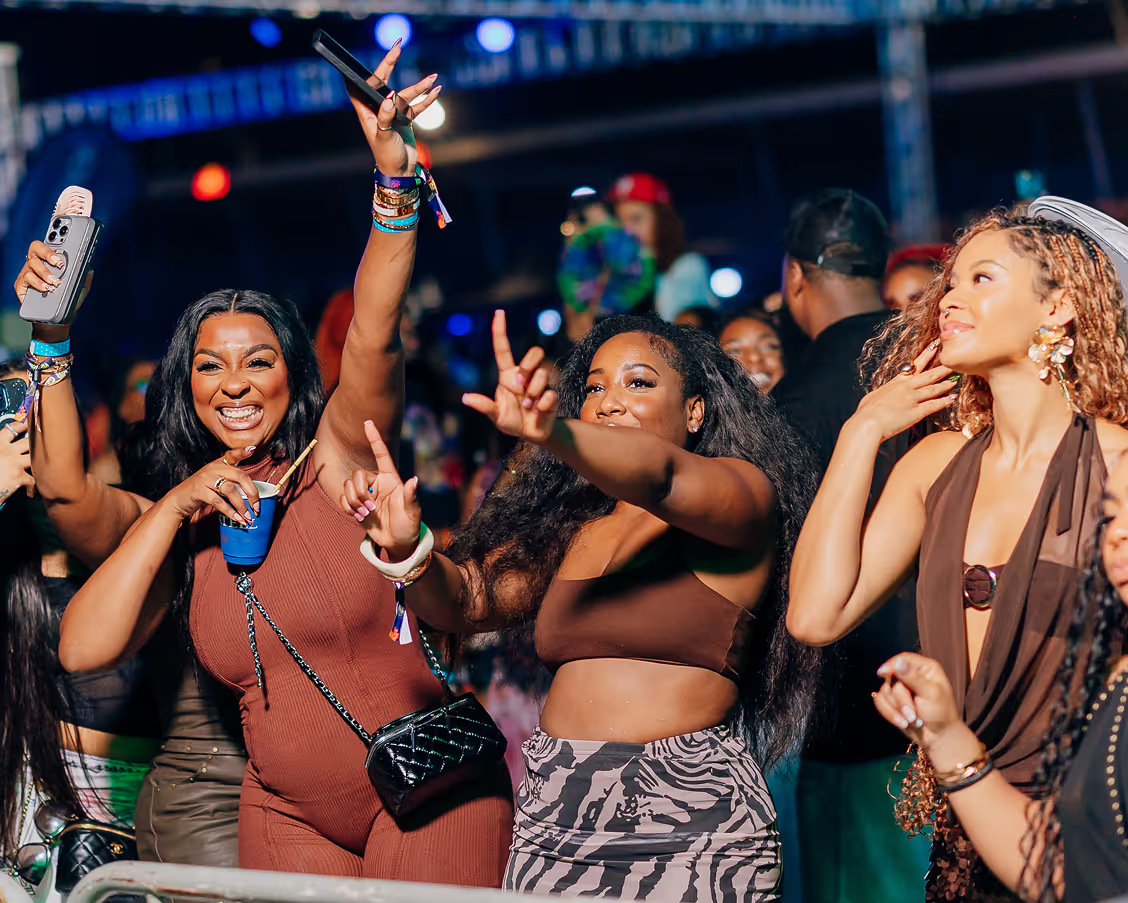
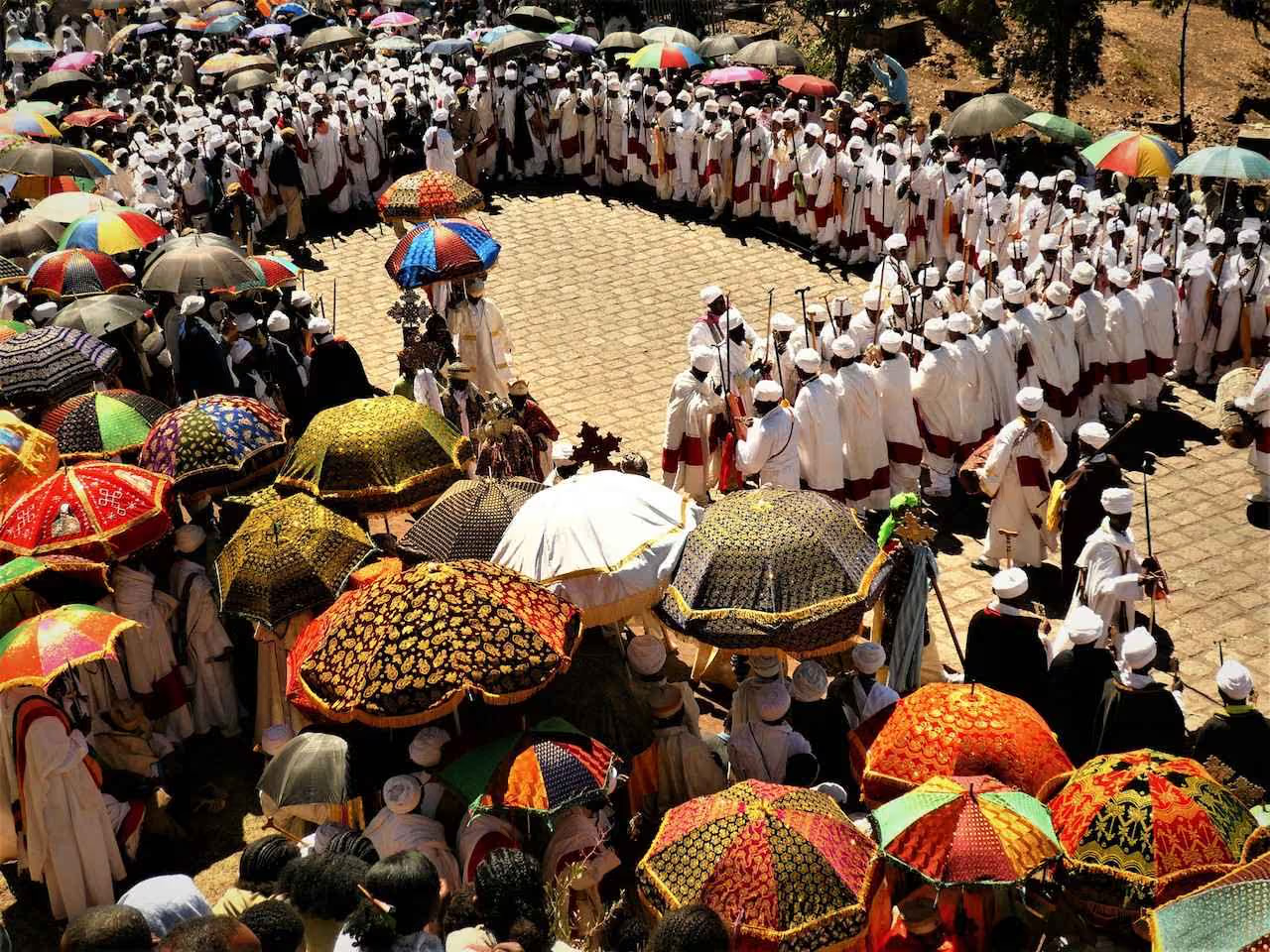
A Western festival faces forward. Tens of thousands of people look in one direction, at a performer. A diaspora crowd keeps turning inward. Circles open. Someone starts dancing in the middle and the people around them become the audience. The best moment of the night might happen by the food stalls, or in the queue, or in the car park after the last act. The stage is the campfire. The gathering is everything around it.
The third is time.
A Western festival runs on a schedule that is printed, posted and obeyed. Set times are sacred. Diaspora time works differently. Things start when the room is ready. The night stretches. Nobody is watching the clock because nobody came for a slot. They came for the night. To an outsider this can look like disorder. To the people inside it, it is a different idea of what an evening is for. The schedule serves the gathering, and not the other way round.
The fourth is the deepest, and it is the one people rarely say aloud.
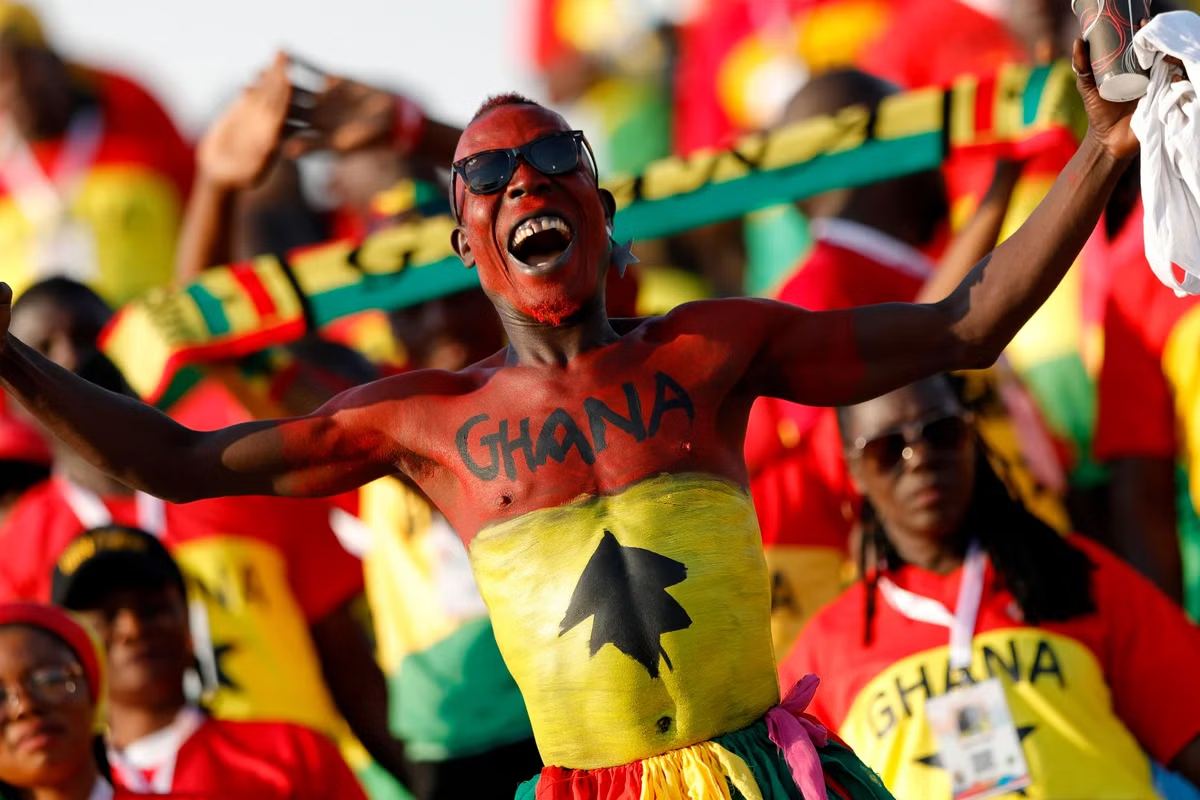
Underneath the joy there is weight. Everyone in that crowd, or their parents, or their grandparents, left somewhere. The music is from a place that most of the room does not live in. So when a song from home comes on, the happiness has a second note inside it, something close to longing. That is why the singing is louder. That is why strangers hug. For a few hours the distance closes, and everybody knows it will open again in the morning.
A Western festival offers escape. You go to get away from your life. A diaspora event offers the opposite. You go to get back to it.
That is the difference. One is entertainment. The other is a homecoming that happens to have a sound system.
.avif)








%201%20(1).avif)