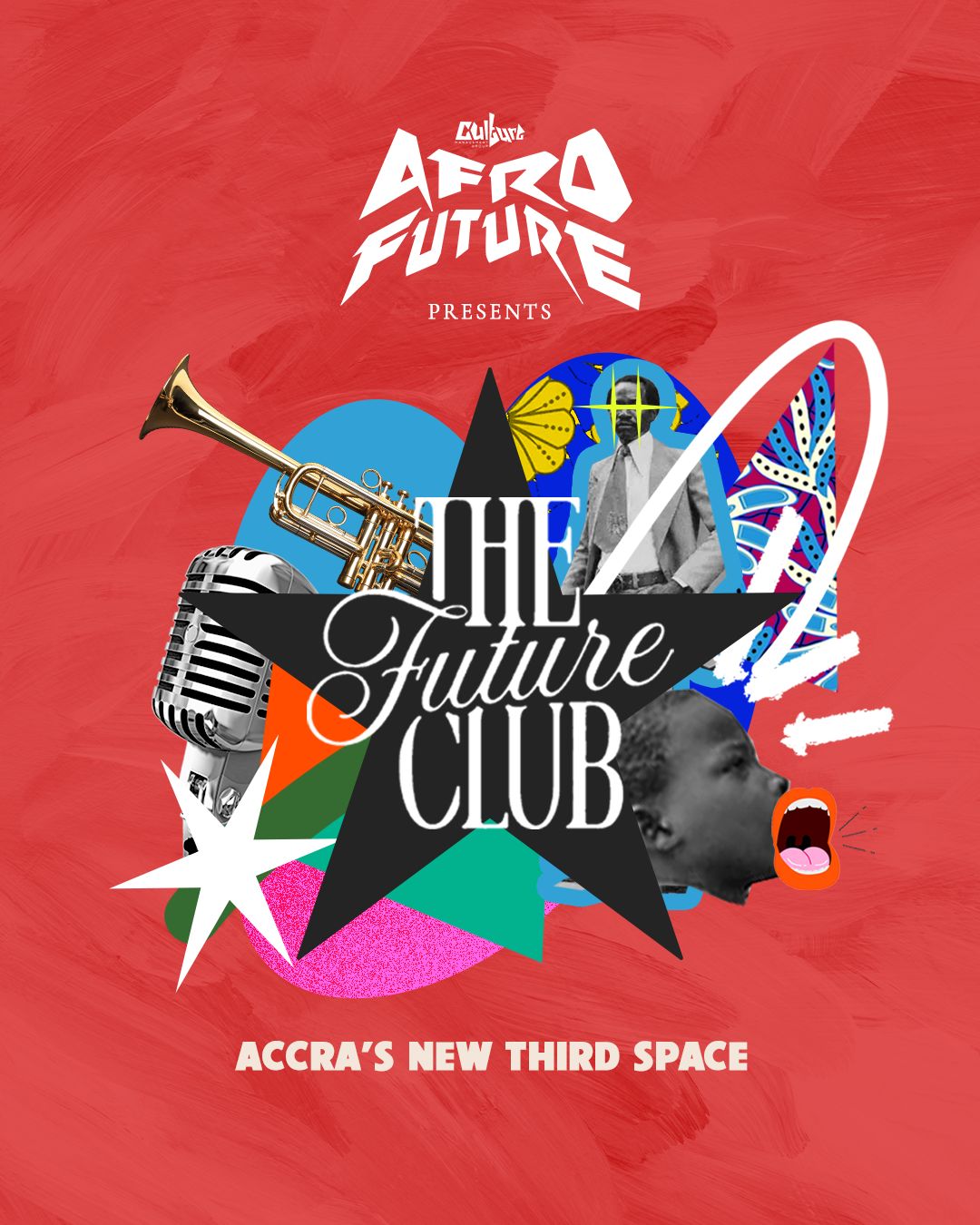
AfroFuture Moves Beyond the Festival: Future Club, Its First Permanent Home, Opens in Accra This December
The 2026 festival will not return to El Wak Stadium. In its place, a year-round creative compound opens at 1 Shiashie to launch AfroFuture's tenth-anniversary year.
ACCRA, GHANA, November 2026 | AfroFuture today announced that its festival will not take place at El Wak Stadium in December 2026. Instead, it will open Future Club, its first permanent home, at 1 Shiashie in Accra this December. The festival returns to El Wak in December 2027 as the centrepiece of AfroFuture's tenth-anniversary year.
AfroFuture has spent this year preparing for that anniversary and for what follows it: a platform that works year-round rather than for one weekend in December. That means more live experiences across the calendar and closer work with brand partners on telling stories. It also means putting nine years of knowledge about this audience to use. Later in the anniversary year, AfroFuture will begin sharing what it knows about how its audience lives and spends through AfroFuture Intelligence, a new research arm.
Future Club is where that begins. Set on roughly 1.5 acres, the year-round creative compound holds bars and a kitchen, a main stage, daytime programming, a recurring market, and rotating art and fashion. It is a third place for the city and the diaspora, somewhere to relax, create, learn, eat and belong. It carries the standard of a members house while keeping its doors open to everyone, through membership or event-by-event tickets.
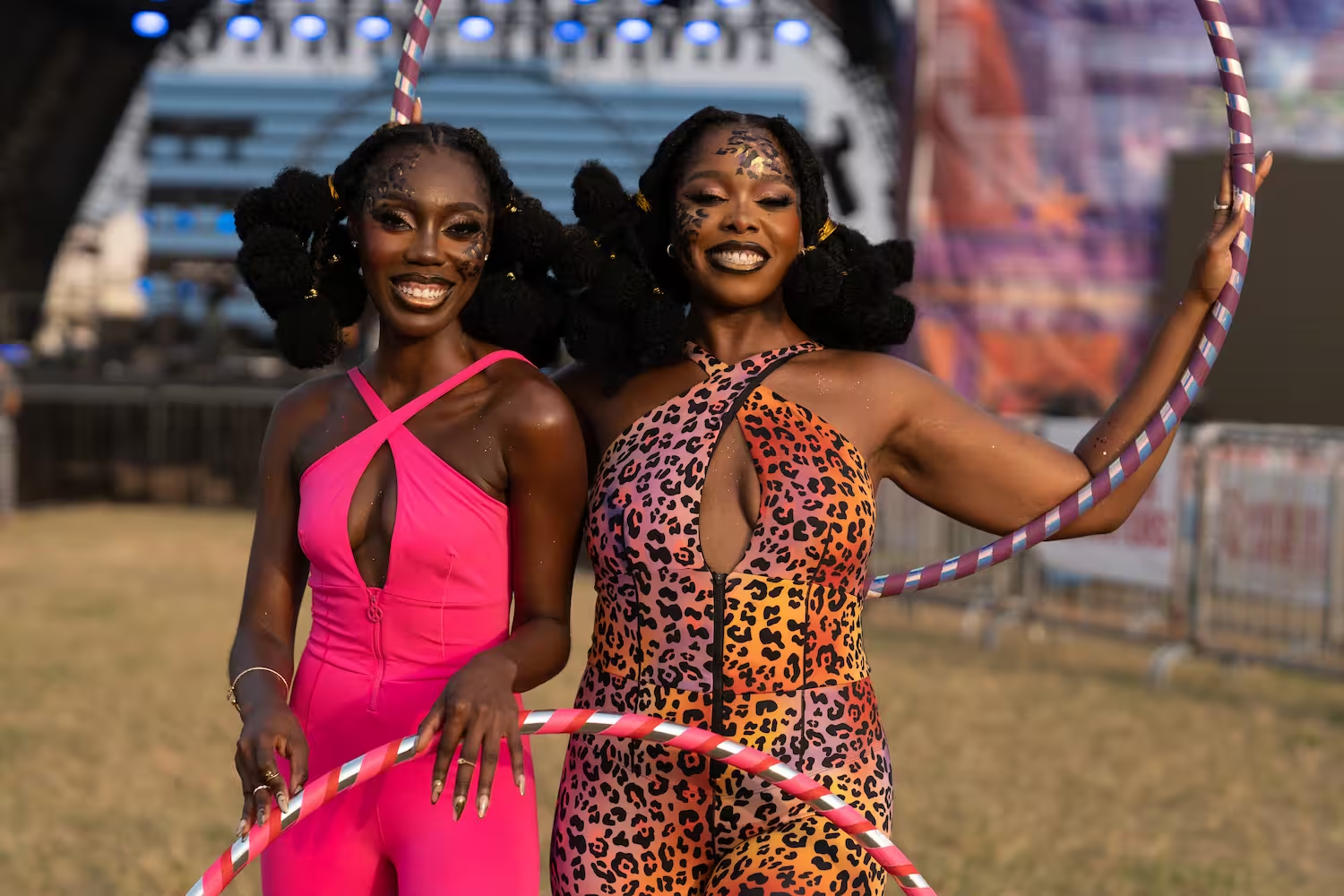
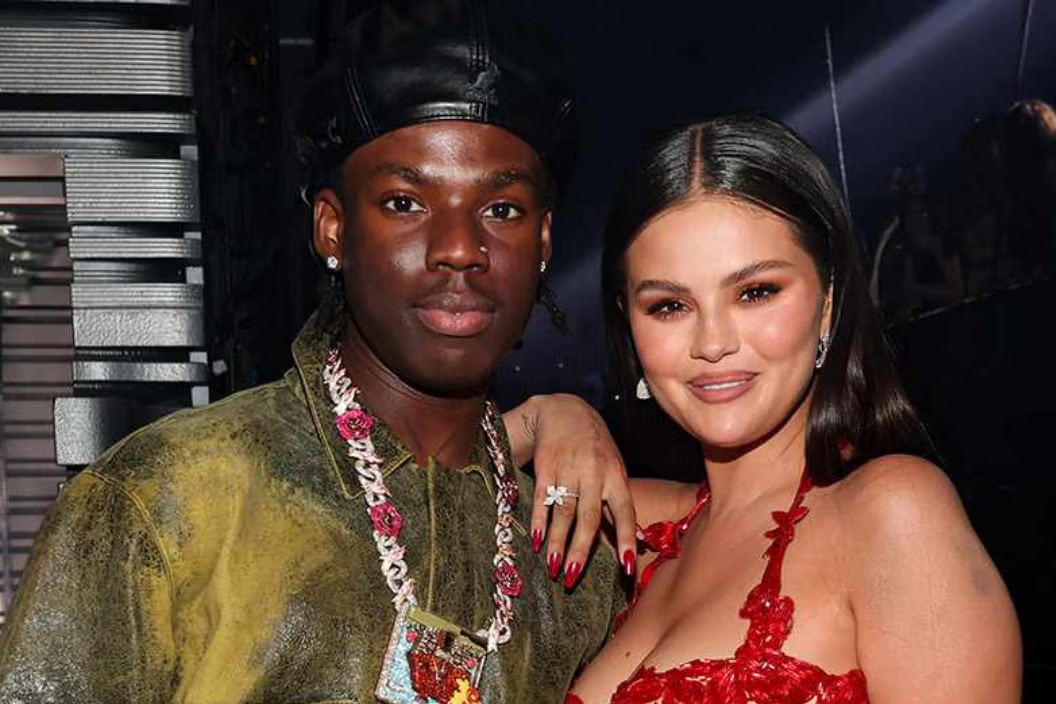
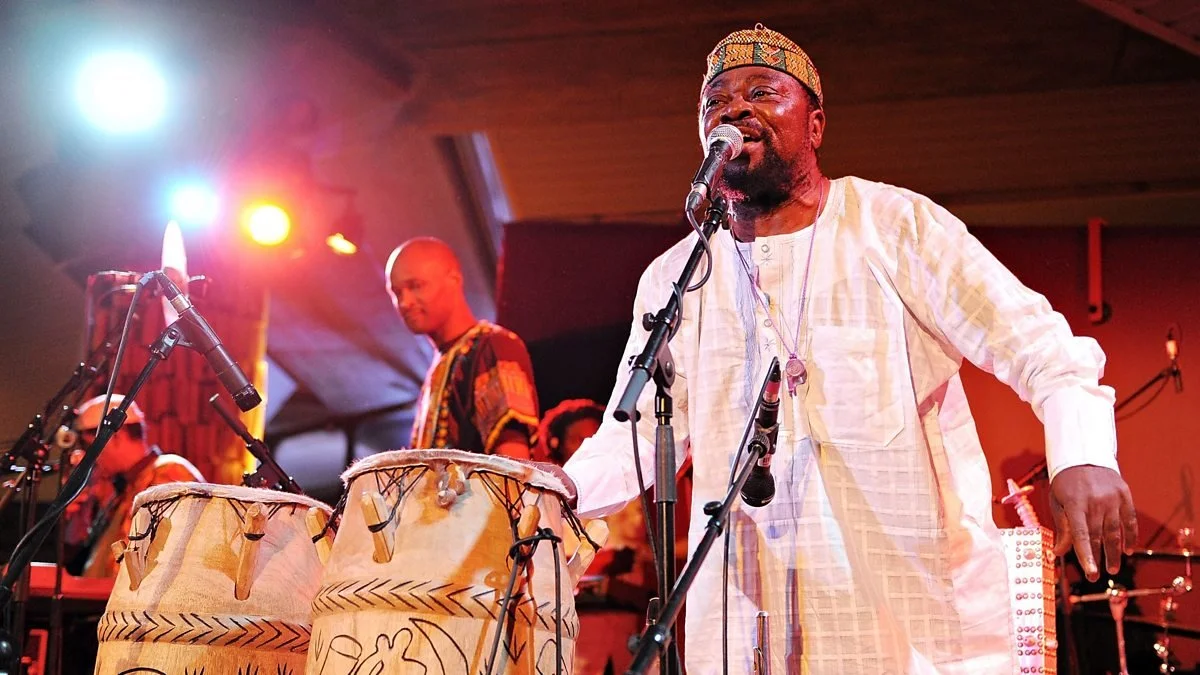
This December, everything the festival brought to El Wak lives at Future Club. The AfroFuture Residency presents standalone 3,000-capacity concerts from award-winning songwriter and producer Young John, Afrobeats sensation Victony and Amapiano hitmakers Jazzwrld & Thukuthela. Around them run the market, the art and fashion showcases, the food and daytime programming, live recordings of Adesope Live and other mainstream African-led podcasts, film screenings, poetry slams and AfroFuture's New Year's Eve party.
"For nine years we built a festival at a stadium and took it down days later," said Abdul Karim Abdullah, Founder and Chief Executive Officer of Culture Management Group. "Future Club is what we build when we are not taking it down. Accra has wonderful places to eat and to dance, but very few places to simply be. Opening a home for the culture as we enter our tenth year is the proudest way we could begin the next ten."
Membership opens with the grand opening, and every opening-night ticket holder becomes a member for a full year. Future Club carries through the festive season into the new year and is the first of several anniversary milestones, culminating in the festival's return to El Wak in December 2027. Further announcements will follow.
Get your Future Club membership
Think you know the culture? Play today's AfroFuture Trivia
About AfroFuture
AfroFuture is a Pan-African cultural platform celebrating African and diaspora creativity. Founded in Accra in 2017 as Afrochella, it has grown from an annual festival into a year-round platform spanning live experiences, brand storytelling and cultural intelligence, with editions in Accra, Detroit, Johannesburg, and Zanzibar, and activations across the United States. Since its founding it has welcomed a global audience from dozens of countries and built first-of-their-kind partnerships with leading global platforms and institutions, contributing meaningfully to Ghana's cultural economy.
About Culture Management Group
Culture Management Group is a Pan-African cultural infrastructure company operating across live events, creative, digital and media, and cultural intelligence. It is the parent company of the AfroFuture platform.
Media enquiries: press@afrofuture.com
The client came to the project with a website that had grown organically over time. New pages were added as needs appeared, sections were duplicated inconsistently, and messaging became fragmented.
The challenge
As the website grew, maintaining consistency became increasingly challenging. Different pages followed different layout patterns, spacing varied across sections, and typography lost its hierarchy. Important messages were often repeated or buried, making it harder for visitors to quickly understand the offering.
Internally, the team struggled to update the site efficiently. Adding new pages required design decisions each time, slowing down iteration and increasing the risk of inconsistency. The existing setup no longer supported the pace or scale of the organization.
The approach
The solution began with a shift in mindset — from page-by-page design to system-first thinking. Truebase was used as the structural framework to redefine how content should be organized, presented, and scaled.
Core page types were identified first, followed by a clear hierarchy of content elements. Layouts were built using a consistent grid and spacing system, while typography was simplified into a scalable hierarchy that could accommodate varying content lengths. Every decision prioritized clarity and reuse.
The implementation
The website was rebuilt using modular sections that could be reused across multiple pages without visual drift. Each section followed predefined spacing and alignment rules, ensuring consistency regardless of where it appeared.
Content was restructured to highlight key information earlier and reduce unnecessary repetition. Dedicated layouts were introduced for case studies, metrics, and supporting content, improving readability and flow. The CMS was organized to support ongoing updates, allowing the team to manage content without breaking the underlying system.




After launch, the impact was immediately noticeable. The team was able to create and update pages faster, without needing design adjustments for each new piece of content. The website felt calmer, more predictable, and easier to navigate.
From a visitor perspective, the clearer structure reduced friction. Users could understand the offering more quickly, with less scrolling and fewer explanations required. The website began functioning as a reliable communication tool rather than a static presentation.